
Search Clark County Bench Warrants
Clark County bench warrants are issued when someone skips a court hearing or breaks the conditions of a court order. The county seat is Springfield, where the Court of Common Pleas and the Springfield Municipal Court both operate. Each court can issue bench warrants for different types of cases. If you need to find out whether a bench warrant exists in Clark County, the Clerk of Courts is the best place to start. The Sheriff's Office also plays a key role in serving and enforcing warrants throughout the county. Online resources are available, though phone and in-person visits tend to give you faster results.
Clark County Overview
Clark County Clerk of Courts Records
The Clark County Clerk of Courts is the official record keeper for the Court of Common Pleas. This covers the General Division, Domestic Relations Division, Probate Division, and the 2nd District Court of Appeals. All bench warrants issued through the Common Pleas court are filed here. The office is at 101 S. Limestone Street, Springfield, OH 45502. You can reach them at (937) 521-1700.
Public records requests for bench warrant information go through this office. Ohio law gives the public a right to access most court records, including bench warrants. Under ORC Section 2941.46, warrants must meet specific legal standards. The Clerk maintains a Case Information Online system and document search tools. You can request records by name or case number. In-person visits work best for detailed searches, but calling the office can also get you what you need. E-filing is available for attorneys who need to submit motions related to warrant cases.
Here is the Clark County government website where you can find clerk office details and contact information.
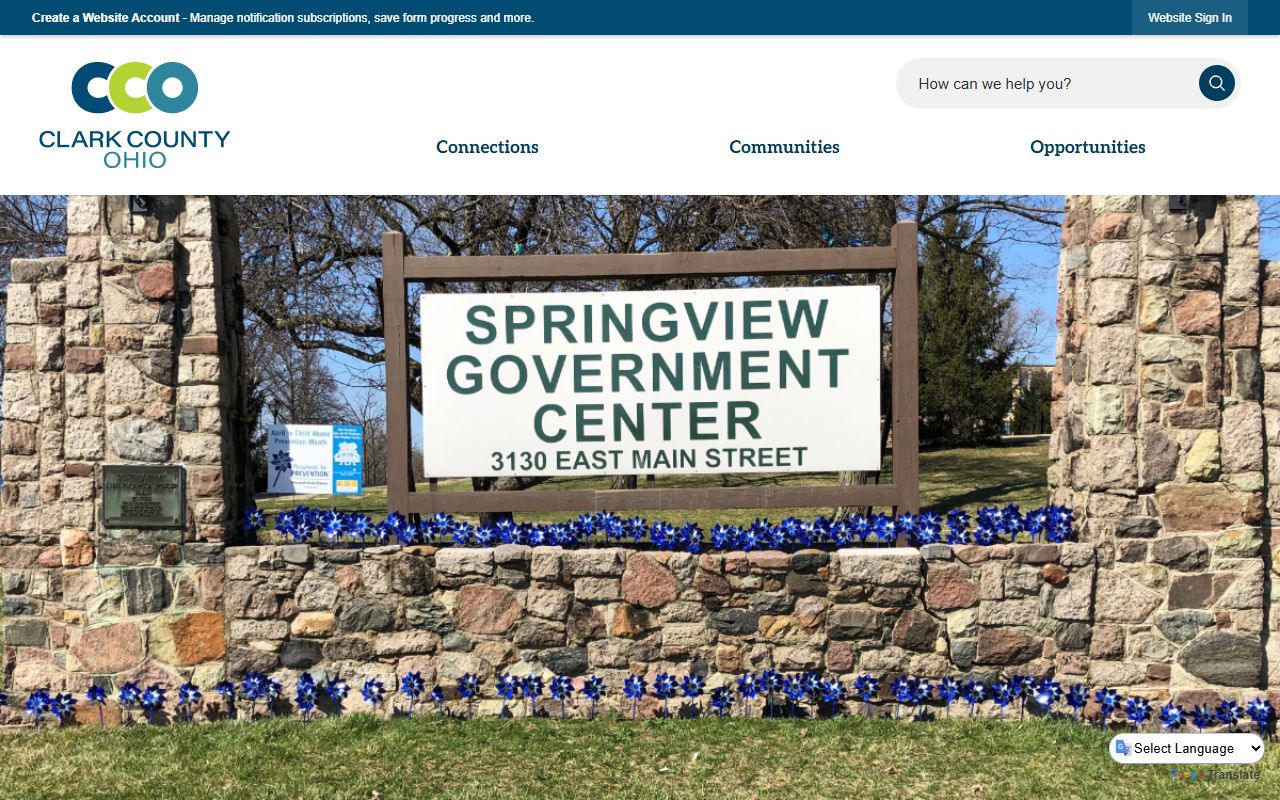
The site provides basic information about court services and how to reach the right department for your needs.
Bench Warrants and the Clark County Sheriff
The Clark County Sheriff's Office at 120 N. Limestone Street in Springfield handles warrant enforcement. When a judge signs a bench warrant, it goes to the Sheriff for service. Deputies work to find and arrest the person named on the warrant. You can call them at (937) 521-5600 for general questions. The Sheriff's Office enters warrants into the Law Enforcement Automated Data System, making them visible to agencies across Ohio and beyond.
The Ohio Attorney General's Office works with local sheriffs on warrant enforcement when cases cross county lines. Clark County warrants also get entered into the National Crime Information Center database. That means a traffic stop in California could bring up a Clark County bench warrant. This applies to warrants of all types, not just those tied to serious crimes.
If you believe you have a warrant in Clark County, talk to a lawyer before contacting the Sheriff.
Note: Clark County bench warrants do not have an expiration date and remain active until the court takes action to recall them.
How Clark County Issues Bench Warrants
Bench warrants in Clark County come from two main courts. The Court of Common Pleas handles felony cases and issues bench warrants when defendants miss hearings or violate conditions of their release. The Springfield Municipal Court does the same for misdemeanor and traffic cases. Both courts follow the rules set by the Ohio Supreme Court, including Rule 4 of the Ohio Rules of Criminal Procedure.
The most common trigger is failure to appear. If you had a court date in Clark County and did not show, the judge can issue a bench warrant right then. Other triggers include missed payments on fines, probation violations, and not following specific court orders. Each warrant must list the person's name, the underlying charge, and carry the judge's signature. Once signed, the warrant goes to the Sheriff's Office for execution. It stays in the system until the person appears before the court or the judge decides to withdraw it.
What Happens With an Active Clark County Warrant
Having an open bench warrant from Clark County creates real problems. The Ohio BMV can block your driving record, which stops you from renewing your license or registering a vehicle. The block does not lift on its own. You have to clear the warrant first, and then the court notifies the BMV.
Arrest can happen anywhere. Ohio warrants show up in national databases. A routine traffic stop in another county or another state can turn into an arrest. Even minor bench warrants carry this risk. People sometimes go years without knowing about a warrant, only to find out at the worst possible time. Getting ahead of the problem is always better than waiting.
Legal Resources for Clark County Warrants
Ohio Legal Help offers free guides for people with bench warrants. The site includes sample motions you can use to ask the court to recall a warrant. It also explains your rights if you decide to turn yourself in. For more involved situations, the Ohio State Bar Association has a lawyer referral service. A defense attorney can handle the paperwork and may be able to get a new court date without an arrest.
The Ohio Courts Network helps you find the right court if you are not sure where the warrant was issued. The Ohio Department of Rehabilitation and Correction and the Ohio Offender Search Portal are useful if someone was arrested and you need to find out where they are being held. These tools cover state facilities, not county jails.
Note: Ohio Revised Code Chapter 149 ensures that most bench warrant records in Clark County are open to the public upon request.
Resolving Clark County Bench Warrants
Clearing a bench warrant in Clark County means appearing before the judge. Call the Clerk of Courts at (937) 521-1700 to get the case details. You need the case number and the next available court date.
When you go to court, the judge may recall the warrant and set a new hearing. Bail could be required depending on the charge and how long the warrant has been out. A lawyer can represent you and often gets better outcomes. Each case is different, and Clark County judges handle these individually. The important thing is to act. Dealing with a bench warrant on your own terms is always better than an unexpected arrest.
Nearby Counties
These counties are near Clark County. If you are unsure which court issued a warrant, check where the court date was originally set.
Cities in Clark County
Springfield is the largest city in Clark County and has its own municipal court. See the page below for city-level warrant information.