Search Ohio Bench Warrants
Ohio bench warrants are court orders that can be searched through public record systems at the county and state level. Each of Ohio's 88 counties has its own Clerk of Courts and court system that tracks bench warrants for cases like failure to appear, missed payments, and other violations. You can look up Ohio bench warrants online through county case search portals, or go in person to the courthouse in the county where the case was filed. The Ohio Courts Network ties the state court system together and gives you a way to find which court holds the records you need. If you want to check for active bench warrants in Ohio, knowing which county or city to search is the first step.
Ohio Bench Warrants Overview
Where to Search Ohio Bench Warrants
Ohio bench warrants come from two main court levels. Municipal courts issue bench warrants for misdemeanor cases and traffic violations. The Court of Common Pleas in each county handles felony cases and issues bench warrants for those. Both courts keep their own records, so you may need to check more than one system to get a full picture. The Clerk of Courts in every county is the official record keeper. They file and maintain all documents tied to a case, and that includes bench warrant records.
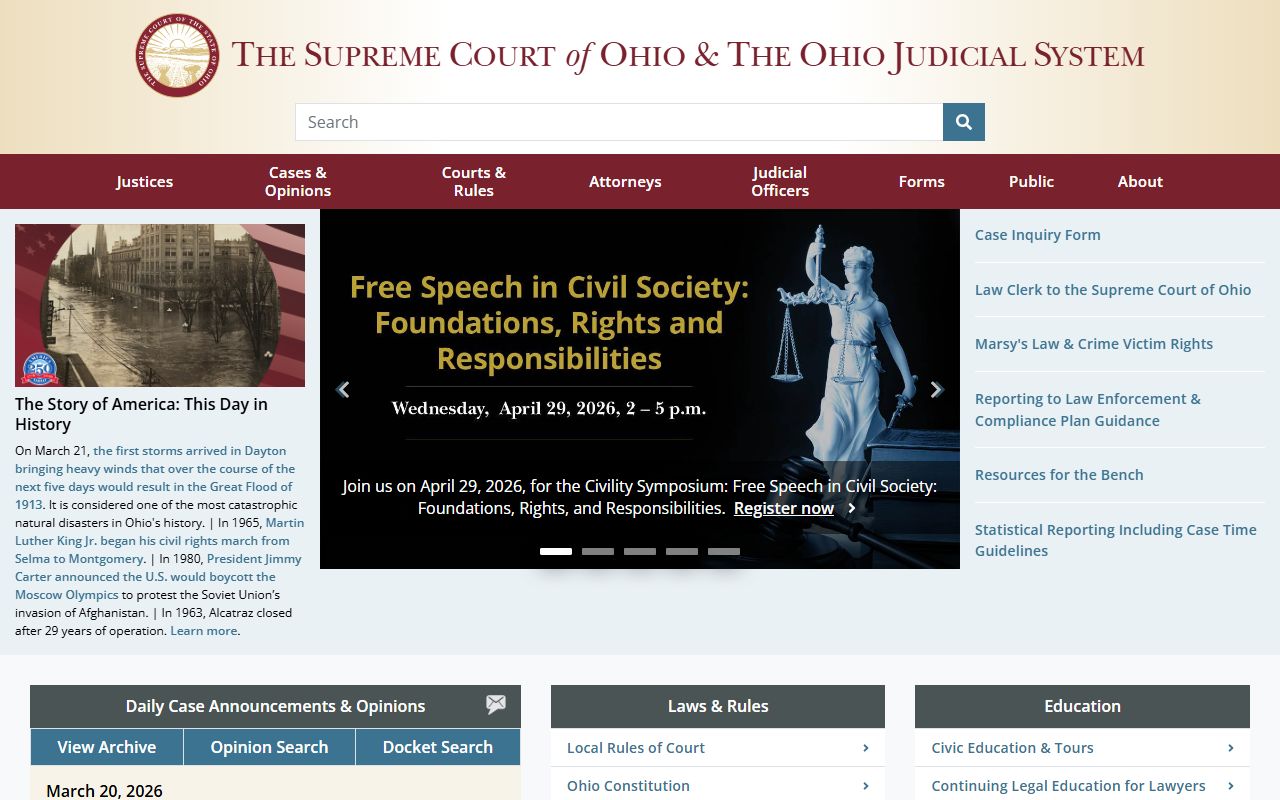
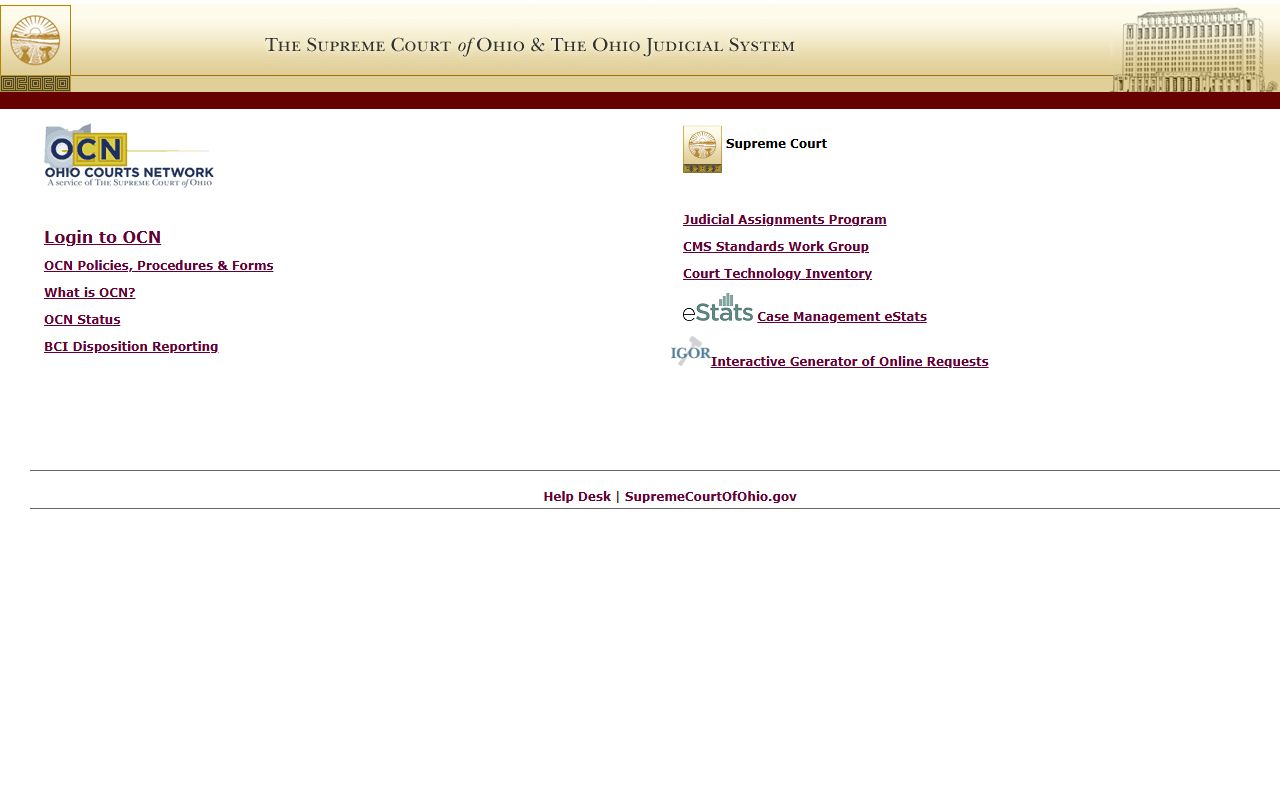
The Ohio Courts Network is the state's main portal for finding courts and case info. It covers all 88 counties and gives you links to each county's court system. Start here if you are not sure which court has the case. You can also use county-level search tools. Many Ohio counties let you search case records online through their Clerk of Courts website. The search results may show case status, hearing dates, and whether a bench warrant has been filed on a case. Not all counties have the same online access, so some may need an in-person visit or phone call.
The Ohio Supreme Court site also has links to rules and resources. It publishes the Rules of Criminal Procedure that govern how bench warrants are issued across the state.
Note: Bench warrants stay active until the person appears in court or the judge recalls the warrant. There is no time limit on most Ohio bench warrants.
How Ohio Bench Warrants Work
A bench warrant in Ohio is an order from a judge that tells law enforcement to bring a person to court. The name comes from the "bench" where the judge sits. These are different from arrest warrants. An arrest warrant comes when police present probable cause that a crime was committed. A bench warrant comes from the judge directly, usually because someone did not do what the court told them to do.
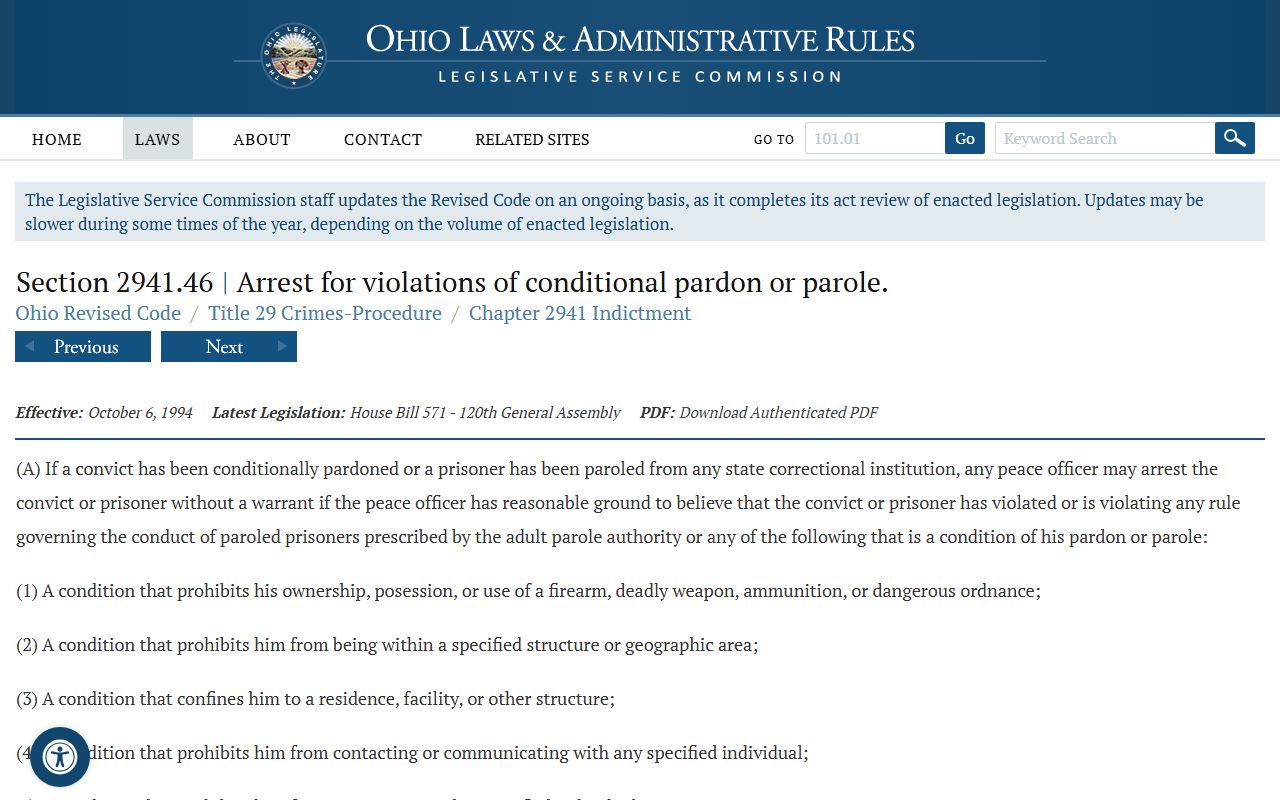
Ohio courts issue bench warrants for several reasons. The most common is failure to appear. If you have a court date and do not show up, the judge can issue a bench warrant that same day. Courts also issue them for not paying fines or costs, breaking probation rules, or ignoring a court order. Under Ohio Revised Code Section 2941.46, peace officers can arrest individuals without a warrant for certain parole and probation violations, but bench warrants give a broader authority for courts to bring people back before a judge.
Once a bench warrant is issued, it goes into the court system and may be shared with law enforcement databases. If you get pulled over for a traffic stop or have any contact with police, they can see the warrant and make an arrest on the spot. Ohio also uses warrant blocks through the Bureau of Motor Vehicles. As of April 2003, courts can place a block on your driver's license when you have a pending bench warrant. This means you cannot renew your license or plates until the warrant is cleared.
To remove a warrant block, you must deal with the court that issued the bench warrant first. Pay any fines, show up for your hearing, or get the case resolved. Then the court notifies the BMV, and the block comes off. You may still owe a reinstatement fee to the BMV after that.
Ohio Court System and Bench Warrants
Ohio has a layered court system. Each layer handles different types of bench warrants. Municipal and county courts deal with misdemeanor bench warrants, traffic bench warrants, and minor civil matters. The Court of Common Pleas in each county handles felony bench warrants, domestic relations cases, and probate matters. Courts of Appeals review decisions from trial courts but do not issue bench warrants directly.
The Clerk of Courts in each county traces its roots to the 1802 Ohio Constitution, which created the position to manage records and issue writs. The Clerk accounts for all money collected by the court and issues writs to carry out court orders. That includes summons, subpoenas, and warrants to arrest. Under the 1851 Constitution, the office became an elected role with a term later set at four years in 1936.
To search for bench warrants at the county level, start with the Clerk of Courts in the county where the case was filed. Many county clerks offer a free online case search tool that can show you case status and whether a bench warrant is on file. For a complete check, you may need to search both the municipal court and the Court of Common Pleas, since they cover different case types.
Ohio Bench Warrants and Public Records
Ohio bench warrants are public records. Under Ohio Revised Code Chapter 149, most court records are open to the public. Active bench warrants, executed warrants, and warrant returns are all part of the public record. You do not have to give a reason to request this information.
There are some limits. Sealed warrants tied to an ongoing investigation may not be available right away. Juvenile records have their own rules. And some personal details like Social Security numbers get redacted before records are released. But the basic facts of a bench warrant, such as the name, the charge, and the date it was issued, are public in most cases. You can get copies from the Clerk of Courts office. Regular copies run about $0.10 per page. Certified copies cost $1.00 per page in most counties. The Ohio Attorney General provides guidance on public records laws and can help if a records request is denied.

Resolving Ohio Bench Warrants
If you find out you have a bench warrant in Ohio, you have options. The best move is to deal with it before law enforcement finds you. Contact the court that issued the warrant. Ask the Clerk of Courts about your case and find out what is needed to resolve it. In many cases, you can schedule a new court date, pay outstanding fines, or file a motion to recall the bench warrant.
The Attorney General's office runs the Fugitive Safe Surrender program in Ohio. This program sets up locations where people with bench warrants can turn themselves in safely. The sites offer help and resources. While they are set up mainly for the county where they are located, anyone from any county can use them. This is one way to clear a bench warrant without risk of arrest during a traffic stop or other encounter with police.
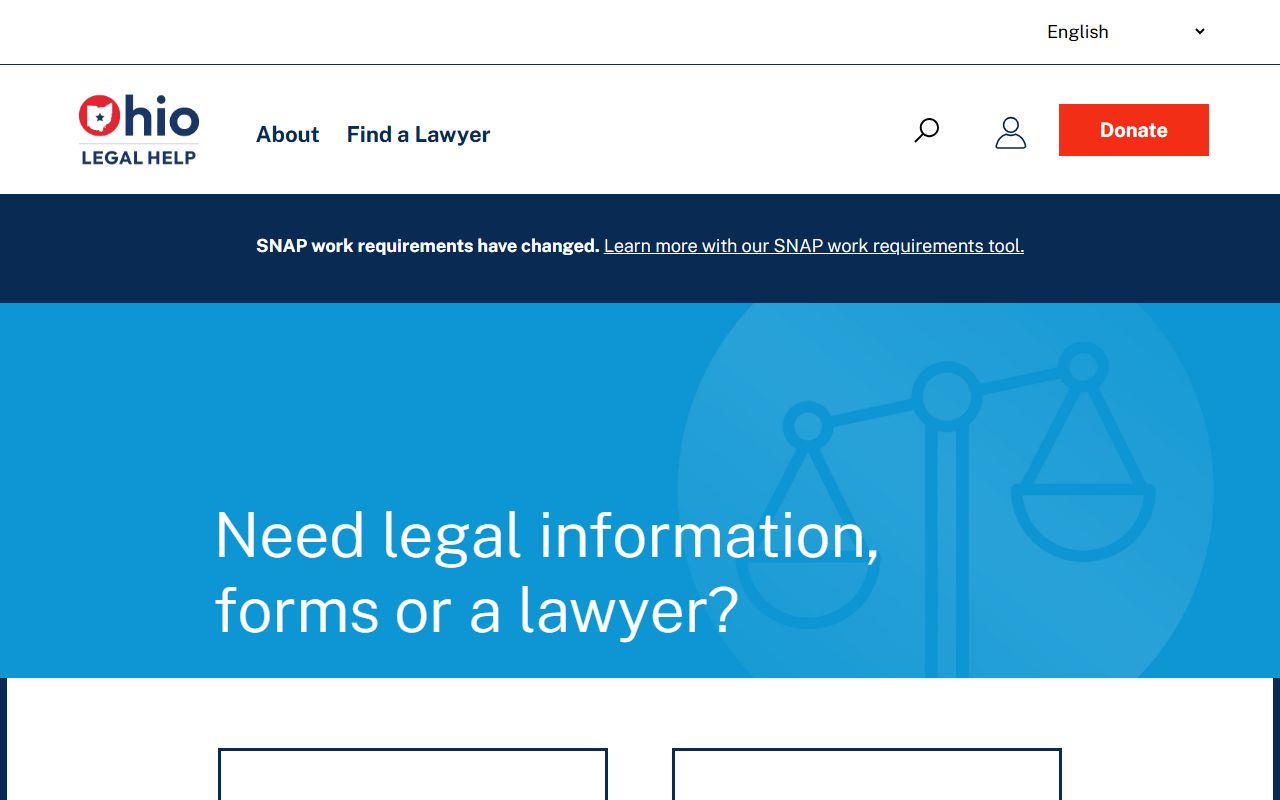
Ohio Legal Help provides free legal information for people dealing with bench warrants. The site has self-help tools and can walk you through the steps to quash or recall a bench warrant. You can find forms, instructions, and resources for people who need to handle things on their own without a lawyer.
The Ohio State Bar Association runs a lawyer referral service if you want legal representation. They can match you with a criminal defense attorney in your area who handles bench warrant cases.
Ohio Bench Warrants State Resources
Several state agencies play a role in the bench warrant process. The Ohio Office of Criminal Justice Services collects data on arrests, warrants, and court processing across the state. They publish research on warrant trends and provide training for court staff and law enforcement. The Family Violence Prevention Center at OCJS also publishes guides on procedures that involve bench warrants, including when police can make an arrest without one.
The Ohio Department of Rehabilitation and Correction runs the state offender search tool. You can look up people currently serving time in an Ohio prison or under state supervision. This helps when you need to find out if someone with a bench warrant is already in custody. The search works by name, county, or hearing date. The department is at 770 West Broad St, Columbus, OH 43222, and you can call 614-752-1159 for more info. Keep in mind, this portal only tracks state prison inmates. For county or city jail inmates, call your local court or sheriff.
The Ohio Offender Search Portal is the public-facing tool for this search. It lets you look up people by name, county, or ID number and see their current location, sentence, and release dates.

BMV Warrant Blocks in Ohio
Ohio bench warrants can hit your driving privileges hard. Courts across Ohio report bench warrants to the Bureau of Motor Vehicles, and the BMV places a hold on your license. You cannot renew your driver's license or your plates while the hold is active. This system has been in place since 2003, and most municipal courts and many Common Pleas courts use it.
There are three types of warrant blocks. Bench warrant blocks for failure to appear are the most common. Warrant blocks for unpaid fines and costs come next. And blocks for not following a court order round out the list. All three stay in place until the court tells the BMV the warrant is resolved. The BMV phone number is (614) 752-7500 if you need to check on a block.
Clearing a warrant block takes five steps. First, contact the court that issued the bench warrant. Second, resolve the warrant by appearing, paying, or getting a new date. Third, get paperwork from the court showing the warrant is cleared. Fourth, bring that paperwork to the BMV. Fifth, pay any reinstatement fees.
Browse Ohio Bench Warrants by County
Each of Ohio's 88 counties has its own court system that issues and tracks bench warrants. Pick a county below to find local contact info and resources for bench warrant searches in that area.
Bench Warrants in Major Ohio Cities
Residents of major Ohio cities file cases at the municipal court or the county court. Pick a city below to find out where to search for bench warrants in that area.