
Search Huber Heights Bench Warrants
Bench warrants in Huber Heights go through the Montgomery County court system and the Vandalia Municipal Court. Huber Heights has a population of about 43,000 and sits in the northern part of Montgomery County near Dayton. If you need to check for an active bench warrant from a Huber Heights case, you can search court records through the Montgomery County Clerk of Courts or the Vandalia Municipal Court. Warrant records are public and available for lookup both online and in person. The courts handle traffic, misdemeanor, and felony bench warrants depending on the level of the original charge.
Huber Heights Overview
Montgomery County Courts and Huber Heights
The Montgomery County Common Pleas Court handles felony bench warrants for Huber Heights residents. When someone misses a court date on a felony charge, the judge issues a bench warrant. The Montgomery County Clerk of Courts maintains records of all cases, and you can use their PRO System to search for active warrants and case status online. The search tool lets you look up records by name or case number and shows charges, docket entries, and hearing dates.
For misdemeanor and traffic cases, the Vandalia Municipal Court covers Huber Heights. This court handles minor criminal matters, traffic offenses, and some civil cases. If you skip a hearing or fail to pay a fine, the judge can sign a bench warrant the same day. The court processes a high volume of cases from Huber Heights, and warrants stay active until the person appears or the court recalls them.
The Montgomery County Common Pleas Court website has additional resources for checking case status and finding court forms. Walk-in visits are an option too. Bring a photo ID when you go.
Reasons for Bench Warrants in Huber Heights
Failure to appear is the most common reason bench warrants get issued in Huber Heights cases. The court sets a date and expects you to be there. If you do not show, the judge signs a warrant. It does not matter if the original charge is minor. A missed traffic hearing turns into a bench warrant just like a missed criminal hearing does. Courts take attendance seriously.
Non-payment of court fines and fees is another frequent cause. Montgomery County courts set up payment plans when people cannot pay all at once. But when payments stop coming in, the court can issue a warrant to bring the person back before a judge. Probation violations are a third common reason. If someone on probation breaks the rules, their probation officer can ask the judge for a bench warrant. Under ORC Section 2941.46, Ohio courts have the authority to issue warrants whenever a defendant fails to follow court orders.
Law enforcement in Huber Heights can serve bench warrants during routine police contact. A traffic stop or a call for service can result in an arrest if a records check shows an active warrant. Dealing with a warrant before that happens is always the better choice.
Searching Huber Heights Warrant Records
The Montgomery County Clerk of Courts PRO System is the best online tool for searching Huber Heights bench warrants. You can look up cases by name, case number, or date range. The system covers criminal, civil, domestic, and traffic cases. Results show charges, hearing dates, docket entries, and current case status.
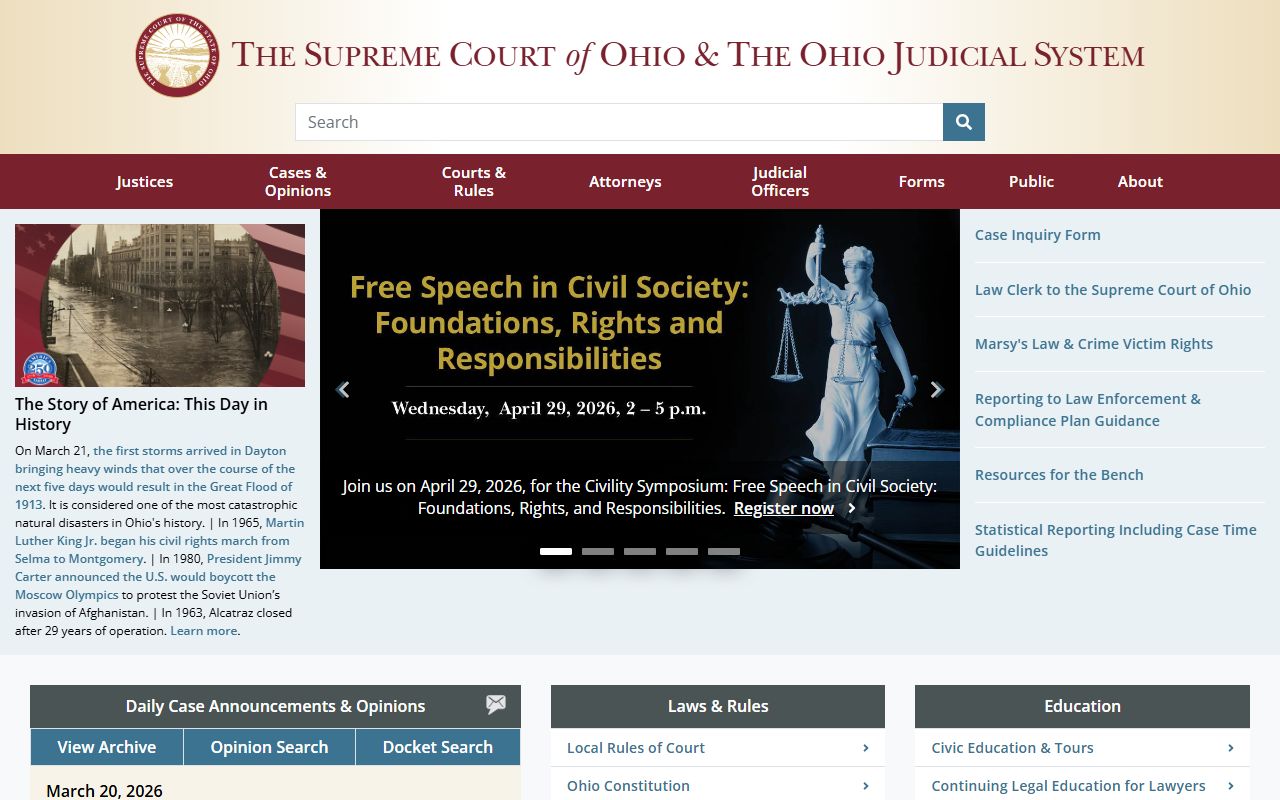
The Ohio Courts website provides links to all county court systems in Ohio. If you are not sure which court handled your Huber Heights case, this is a good starting point. The Ohio Supreme Court site also has general resources about the court system and how bench warrants work across the state.
For county-level records, the Montgomery County Sheriff's Office is responsible for serving warrants outside of city limits. Inside Huber Heights, the city police department handles warrant service. Neither agency posts a public list of active warrants online, so searching through the court system is the way to go.
How to Resolve a Huber Heights Bench Warrant
If you find out there is a bench warrant with your name on it from a Huber Heights case, acting fast is key. The simplest approach is to go to the court that issued the warrant. For misdemeanor or traffic warrants, that means the Vandalia Municipal Court. For felony warrants, go to the Montgomery County Common Pleas Court in Dayton. Tell the clerk you want to resolve a warrant, and they will set you up to see a judge. In many cases, the judge recalls the warrant and sets a new hearing date for the original case.
Posting bond is another option. The court sets a bond amount for most bench warrants. If you pay it, the warrant gets cleared and you get a new court date. Bond amounts depend on the charge and the judge's discretion. Call the clerk's office to find out what bond applies to your warrant before you go in.
A lawyer can help too. An attorney may file a motion to recall the warrant without you having to turn yourself in first. The Ohio Legal Help website has free legal resources, and the Ohio State Bar Association offers a referral service. If money is tight, look into legal aid programs in the Dayton area that serve Montgomery County residents.
Court Fees and Public Records
Montgomery County charges fees for copies of court documents. Standard copies cost a few dollars per page, and certified copies run higher. If you need a certified copy of a bench warrant or case file for legal use, check with the clerk's office for current pricing. Record sealing is available for some cases in Ohio. But a case with an open bench warrant cannot be sealed. The warrant has to be resolved first before you can file a sealing request.
Under Ohio's public records law in ORC Chapter 149, most government records are open to the public. Bench warrant records in Montgomery County are generally public. Some records may be sealed or restricted by court order, but that is the exception rather than the rule. The Ohio Attorney General's office can help with disputes over denied records requests. If your bench warrant stems from a traffic case, the Ohio BMV may also be involved. A warrant can lead to a license suspension, meaning you may need to deal with both the court and the BMV to get back on track.
Montgomery County Bench Warrants
Huber Heights is part of Montgomery County. All bench warrants from Huber Heights cases run through the Montgomery County court system. The county includes Dayton, Kettering, and several other cities. For a complete look at bench warrants across Montgomery County, including all court locations and contact details, see the county page.
Nearby Cities
Dayton is the Montgomery County seat and sits just south of Huber Heights. Kettering is south of Dayton and shares the Montgomery County court system. Beavercreek is in neighboring Greene County to the east. Springfield is north of Huber Heights in Clark County and has its own municipal court.